How to Tell If Your Child Has Above-Average Intelligence
Every child is unique, but some children show signs of extraordinary thinking and problem-solving skills early in life. If you’ve ever wondered whether your child’s intelligence might be higher than average, you’re not alone. Many parents notice subtle clues long before formal testing happens.
Here’s how you can start identifying those signs and what steps you can take next.
1. Early Cognitive Development
Gifted children often reach developmental milestones earlier than their peers. They might begin speaking in full sentences, recognizing letters or numbers, or asking complex questions at a very young age.
Signs to watch for:
- Early reading or number skills
- Strong memory and focus
- Curiosity about how things work
2. Exceptional Curiosity and Creativity
Children with higher IQs tend to be deeply curious. They often ask “why” repeatedly and enjoy exploring topics far beyond their age group.
Look for:
- Asking thoughtful or unusual questions
- Inventing stories, games, or experiments
- Showing intense interest in specific topics (e.g. space, science, maps)
3. Advanced Problem-Solving
Gifted children may show strong logic or reasoning skills, even in everyday situations. They often come up with unique solutions to challenges.
Examples include:
- Completing puzzles far above their age level
- Understanding abstract ideas or rules quickly
- Negotiating or debating thoughtfully
4. Emotional Sensitivity and Awareness
Many high-IQ children are also emotionally mature. They might be more empathetic or sensitive to others’ feelings and fairness.
Watch for:
- Asking deep questions about life, death, or morality
- Reacting strongly to injustice or cruelty
- Relating more easily to adults than peers
5. What You Can Do as a Parent
If you recognize some of these traits, consider the following steps:
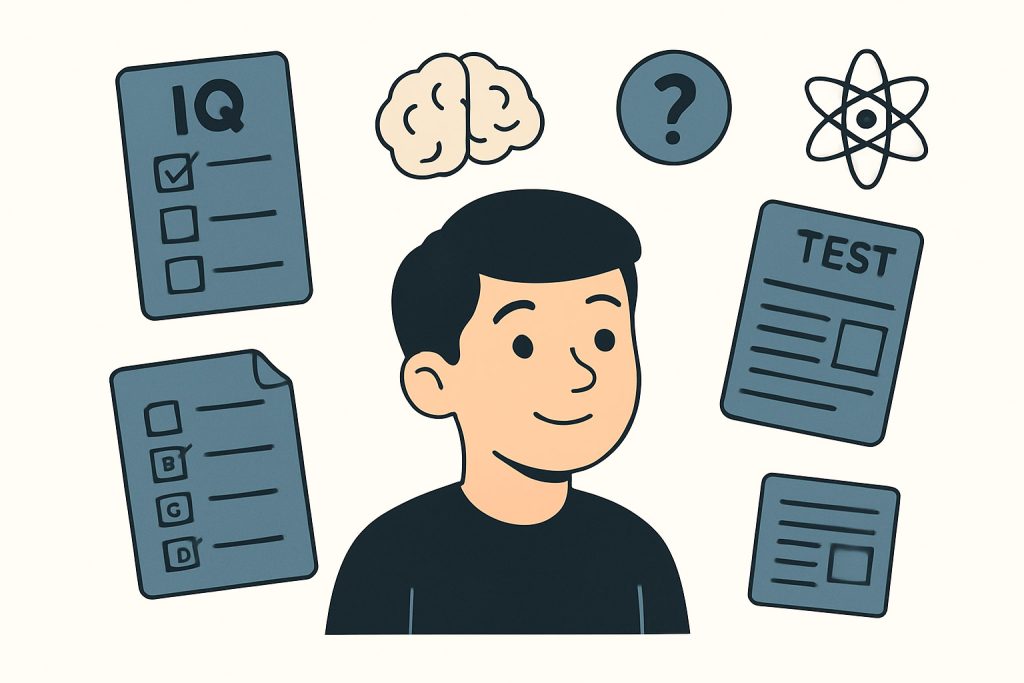
- Talk to a specialist: Psychologists or educational consultants can help assess your child’s cognitive abilities.
- IQ testing: Formal IQ tests, especially those accepted by organizations like Mensa, can offer clarity.
- Support their interests: Encourage learning through books, activities, or educational tools that match their curiosity.
- Connect with other parents: Support groups or online communities can provide guidance and shared experiences.
Conclusion
Every child develops at their own pace, but recognizing gifted traits early can help you provide the right environment for growth. Whether through professional guidance or thoughtful parenting, you can support your child’s journey—and perhaps unlock a future full of potential.